Feasibility of Spray Drying Biotherapeutics:
A Material Sparing Screening Process
Amanda Pluntze1, Madeleine Landry2, Kimberly Shepard1
1Lonza 2Oregon State University
PURPOSE
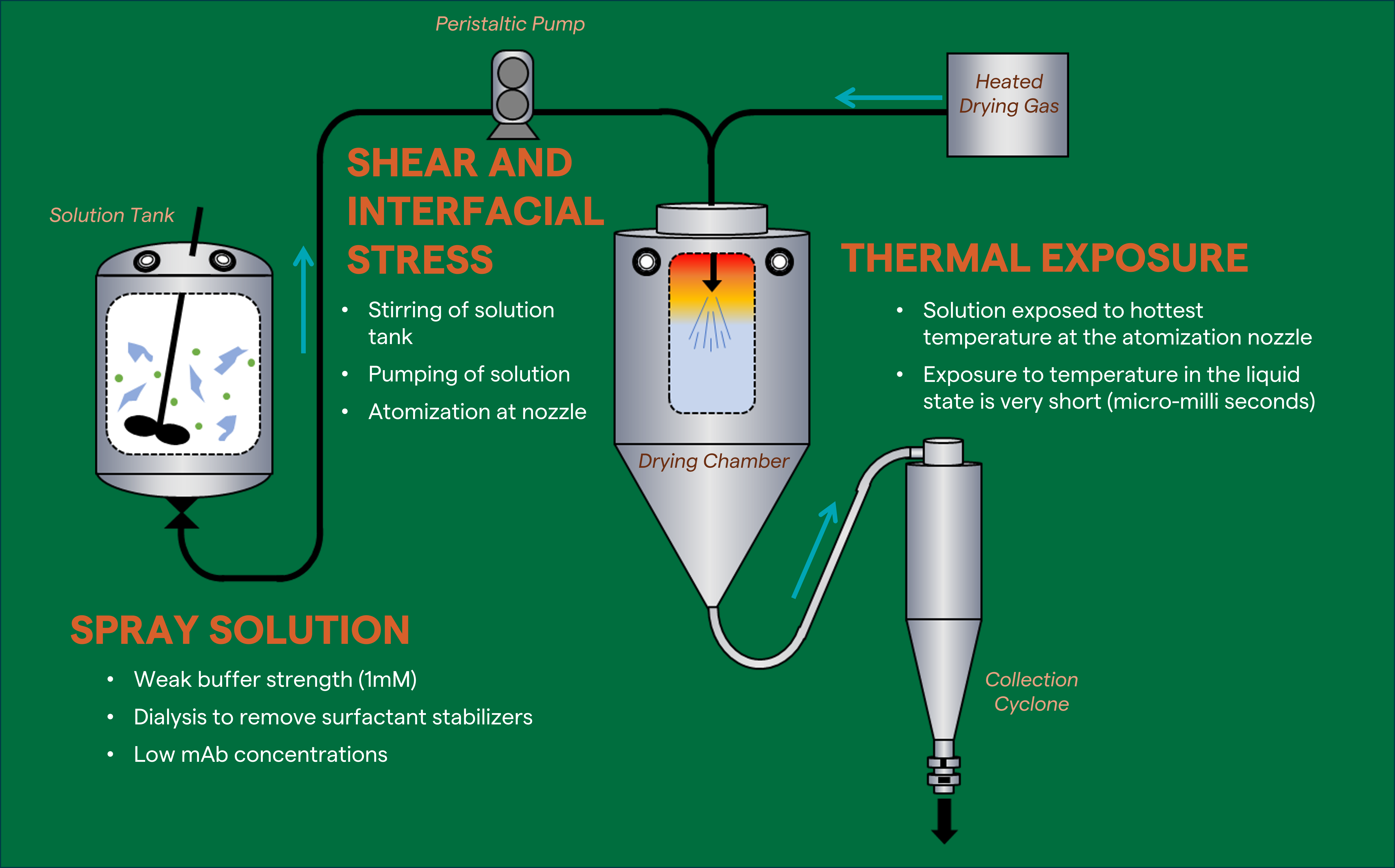
Spray drying is an appealing process for generating powdered drug product intermediates of biotherapeutic actives as the resultant product does not require special handling or low temperature storage. This is of particular interest for inhaled delivery via dry powder inhalers to improve patient compliance and reduce cost by eliminating the need for in-person intravenous injections.
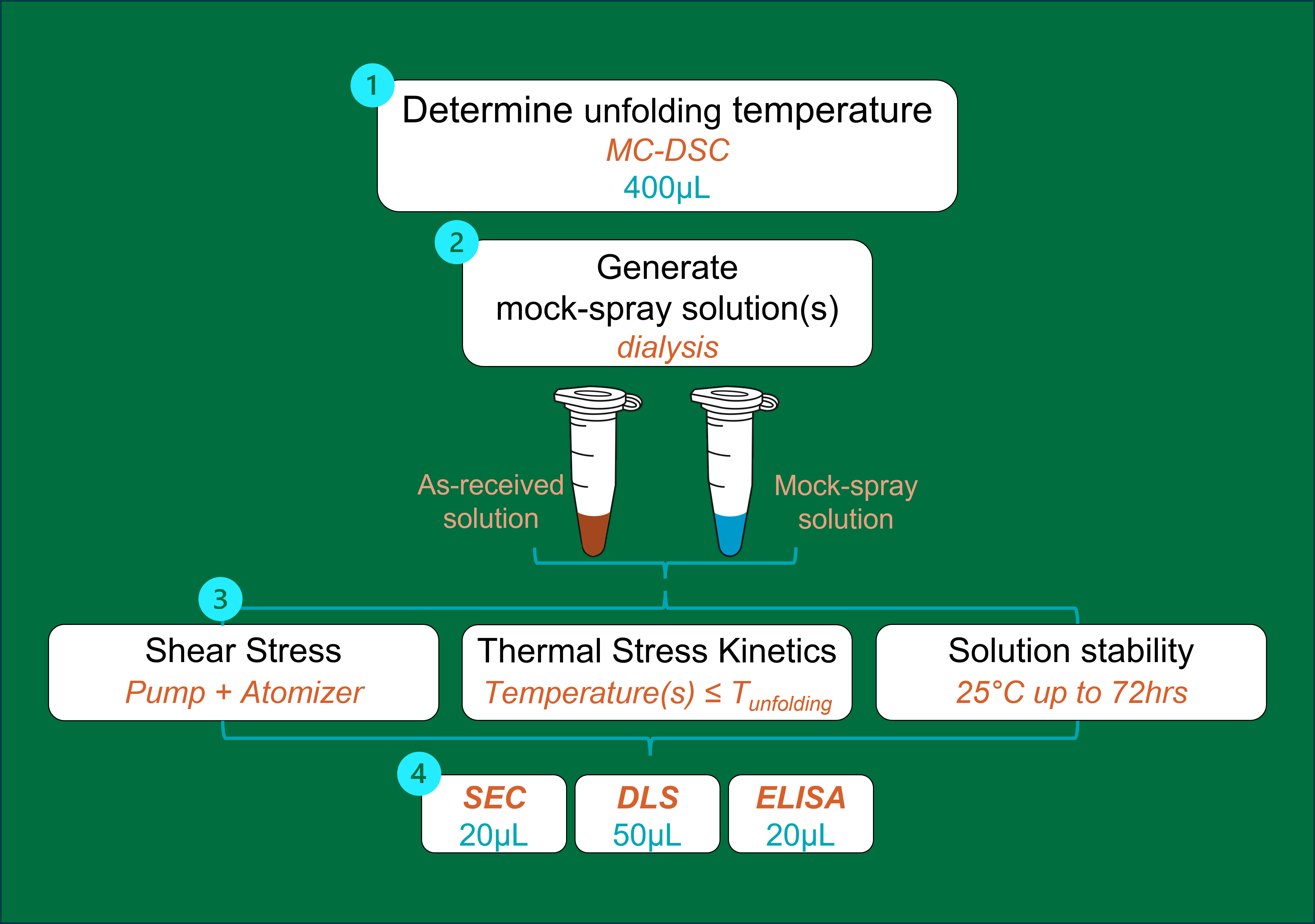
However, the process itself poses a risk to these molecules due to their inherent sensitivity to shear and air-liquid interfaces, temperature, and solution environment. Understanding these relative risks before conducting an initial spray of a material is desirable. As such, this work aimed to develop a material-sparing screening procedure to determine whether a given biotherapeutic active is a candidate for spray drying and if so, guide selection of the subsequent manufacturing conditions.
METHODS
Model Actives:
- Bevacizumab
- Nivolumab
- Pembrolizumab
Mock-Spray Solution Preparation:
- Dialysis using Slide-A-Lyzer dialysis cassettes
- Final solution ~1:1 active:trehalose in a 1mM buffer
Stresses mimicking the spray drying environment:
- Thermal testing; solutions monitored over time at various temperatures
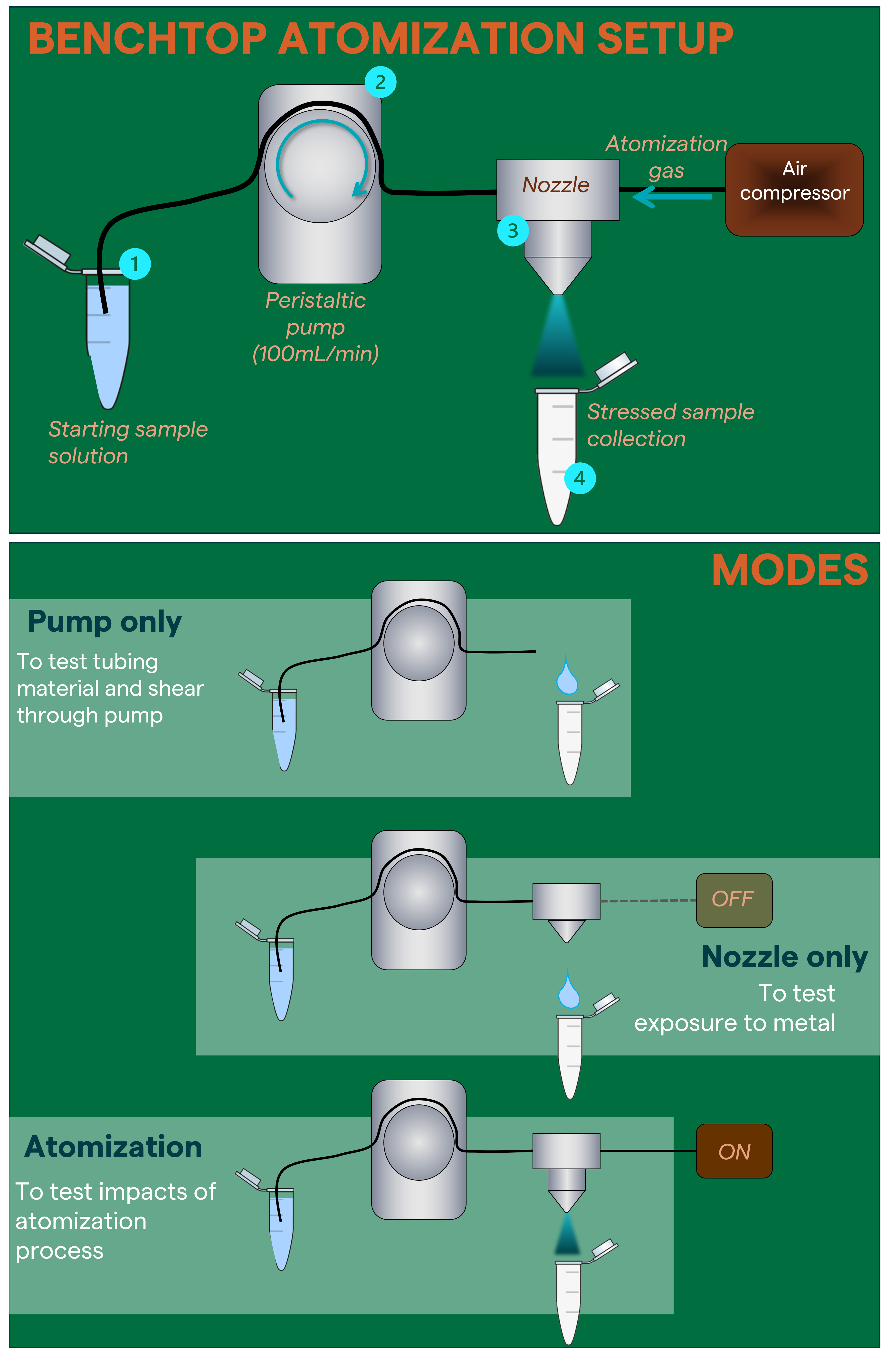
- Atomization testing; solutions passed through a benchtop atomization unit, that can be isolates as 3 individual modes
- Stressed samples analyzed by SEC, DLS, and ELISA1
1ELISA method only fully developed for bevacizumab. See referenced paper in results section for details
RESULTS
Aggregation was shown to be the dominant structural change for the model actives for both thermal and shear stresses applied, but differences in the relative sensitivities are distinguished, illustrating its versatility in understanding risks for individual compounds. For example, of the three model actives, Nivolumab was the most sensitive to atomization, but the most thermally stable with no observed aggregation even after 1 hour at 60°C. Bevacizumab was selected for manufacture by spray drying, with outlet temperature selection guided by this screening process, resulting in the generation of a spray dried powder with no impact to its bioactivity.1
1Shepard, K.B., Vodak, D.T., Kuehl, P.J. et al. Local Treatment of Non-small Cell Lung Cancer with a Spray Dried Bevacizumab Formulation. AAPS PharmSciTech 22, 230 (2021).

THERMAL STRESS TESTING (60°C)
Aggregate concentration (% of monomer, by peak area)
Bevacizumab
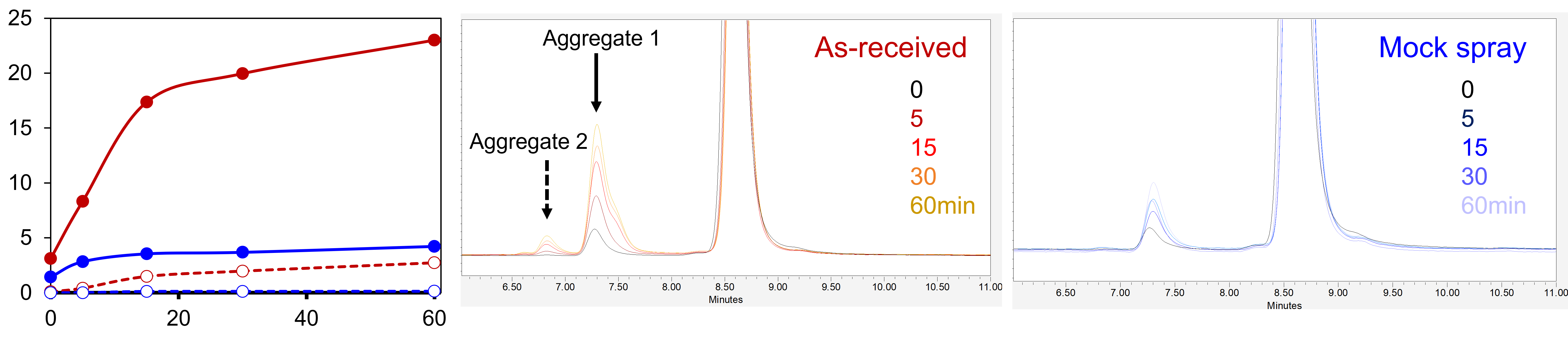
Mock spray solution is more thermally stable
Aggregate 2 only observed in
as-received solution
Nivolumab
No significant change in aggregation levels for either solution over time
Pembrolizumab
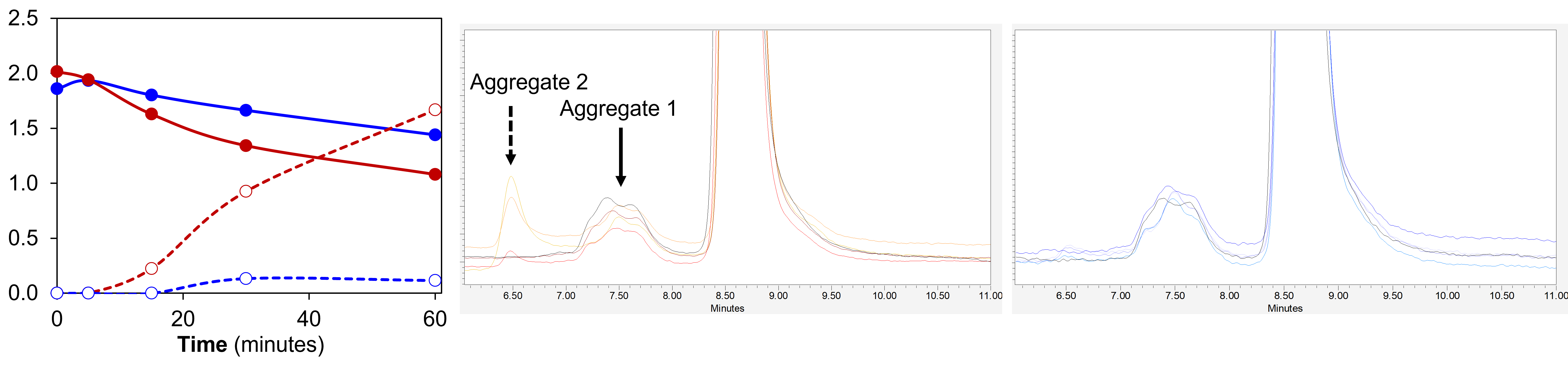
Mock spray solution is more thermally stable
A decrease in aggregate 1 coincides with an increase in aggregate 2
ATOMIZATION TESTING
- Aggregation is seen for all model actives after atomization
- A change in both concentration and size is noted for Nivolumab after atomization, but only for the mock spray solution
- Pembrolizumab appears the least sensitive to aggregation induces by the atomization process
Bevacizumab
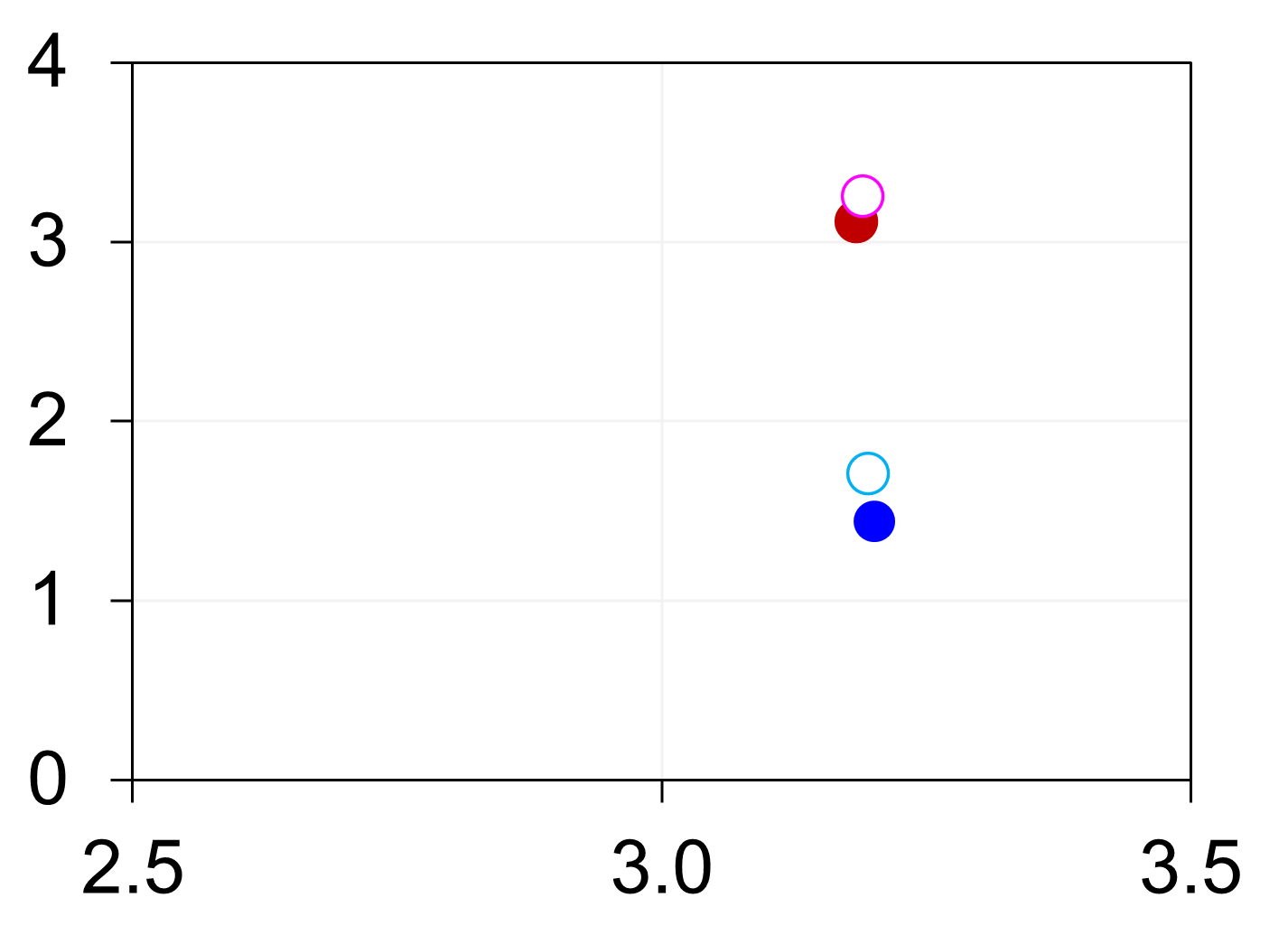
Nivolumab
Pembrolizumab
SEC
Aggregate size vs. concentration
(both relative to monomer)
Bevacizumab
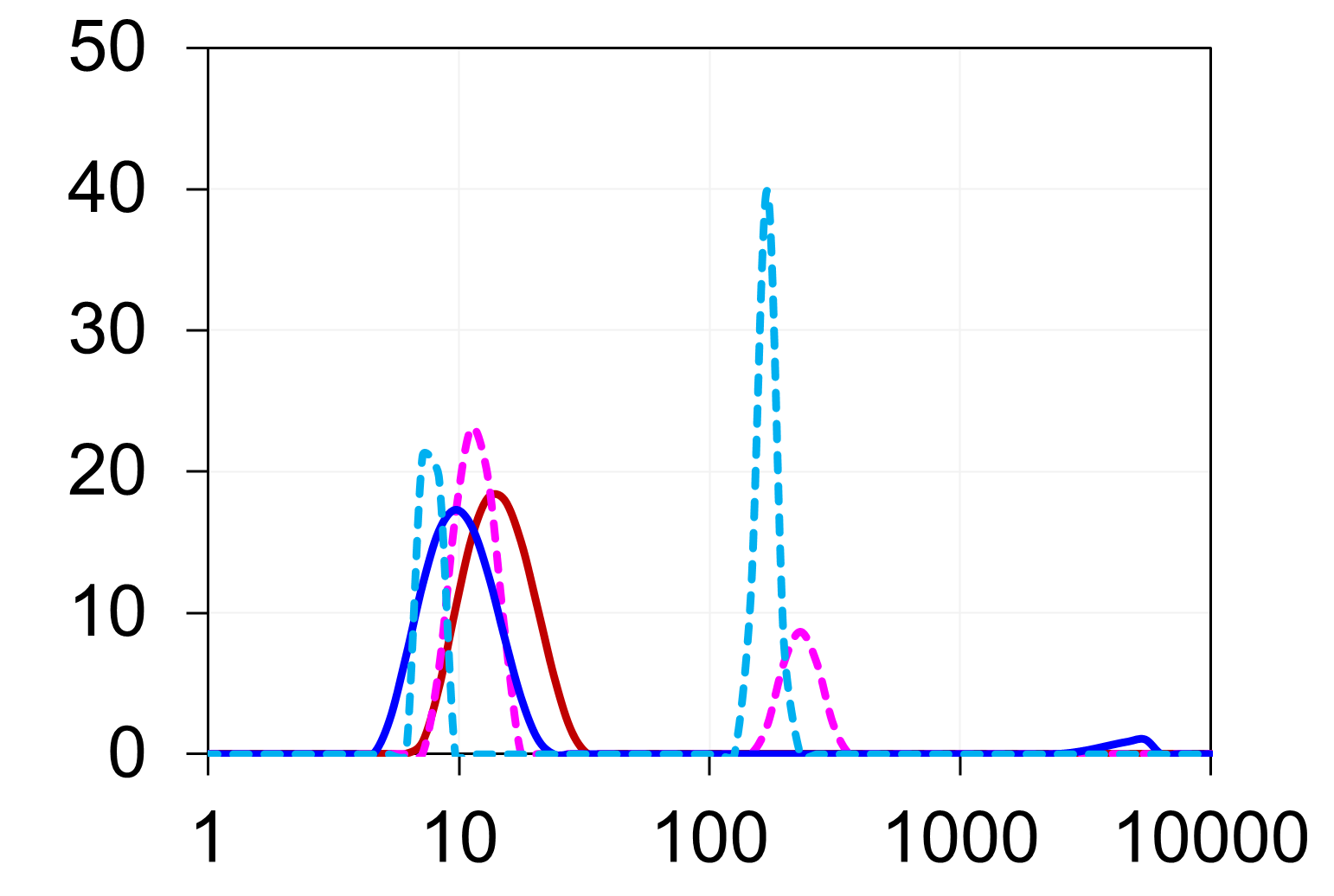
Nivolumab
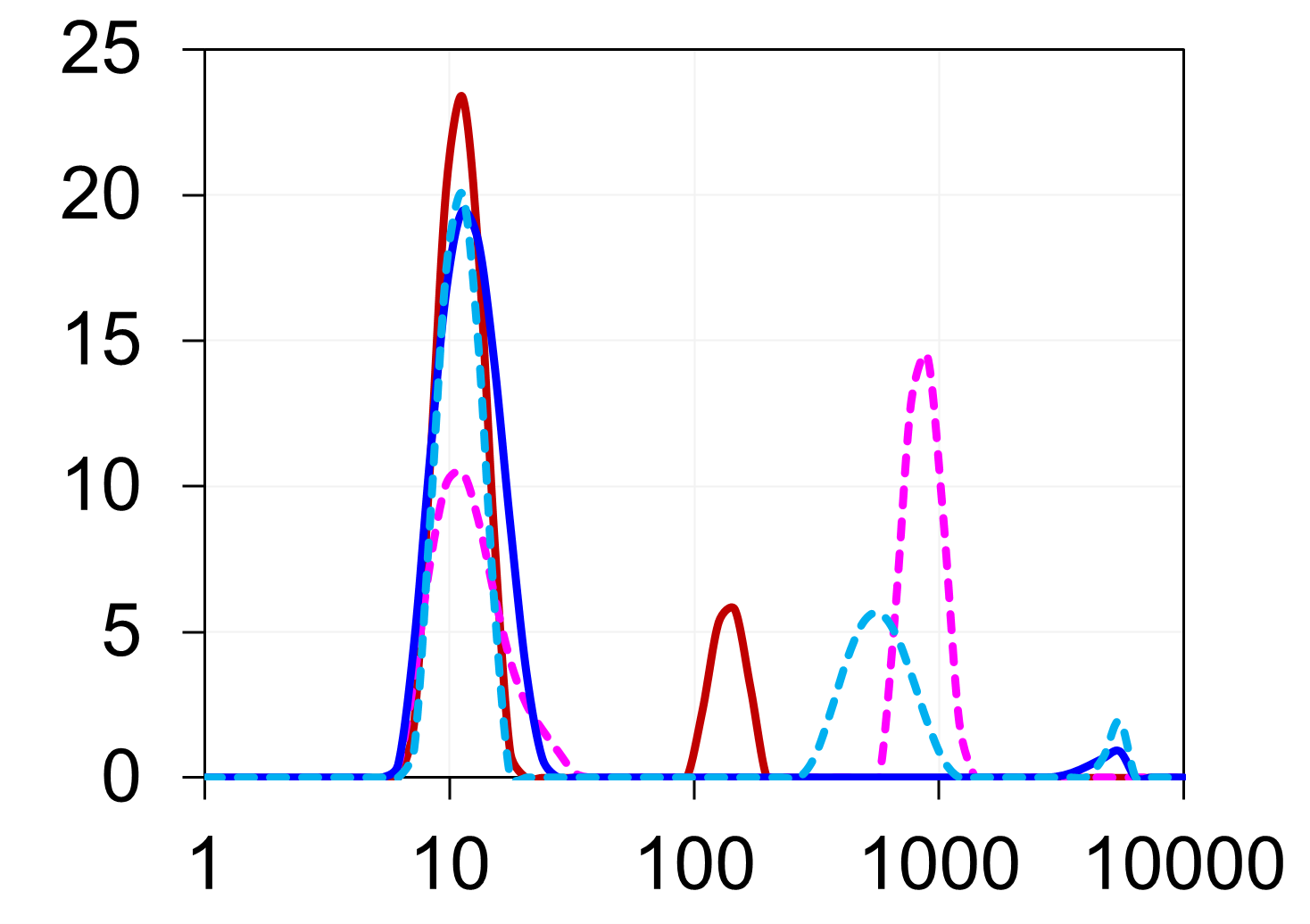
Pembrolizumab
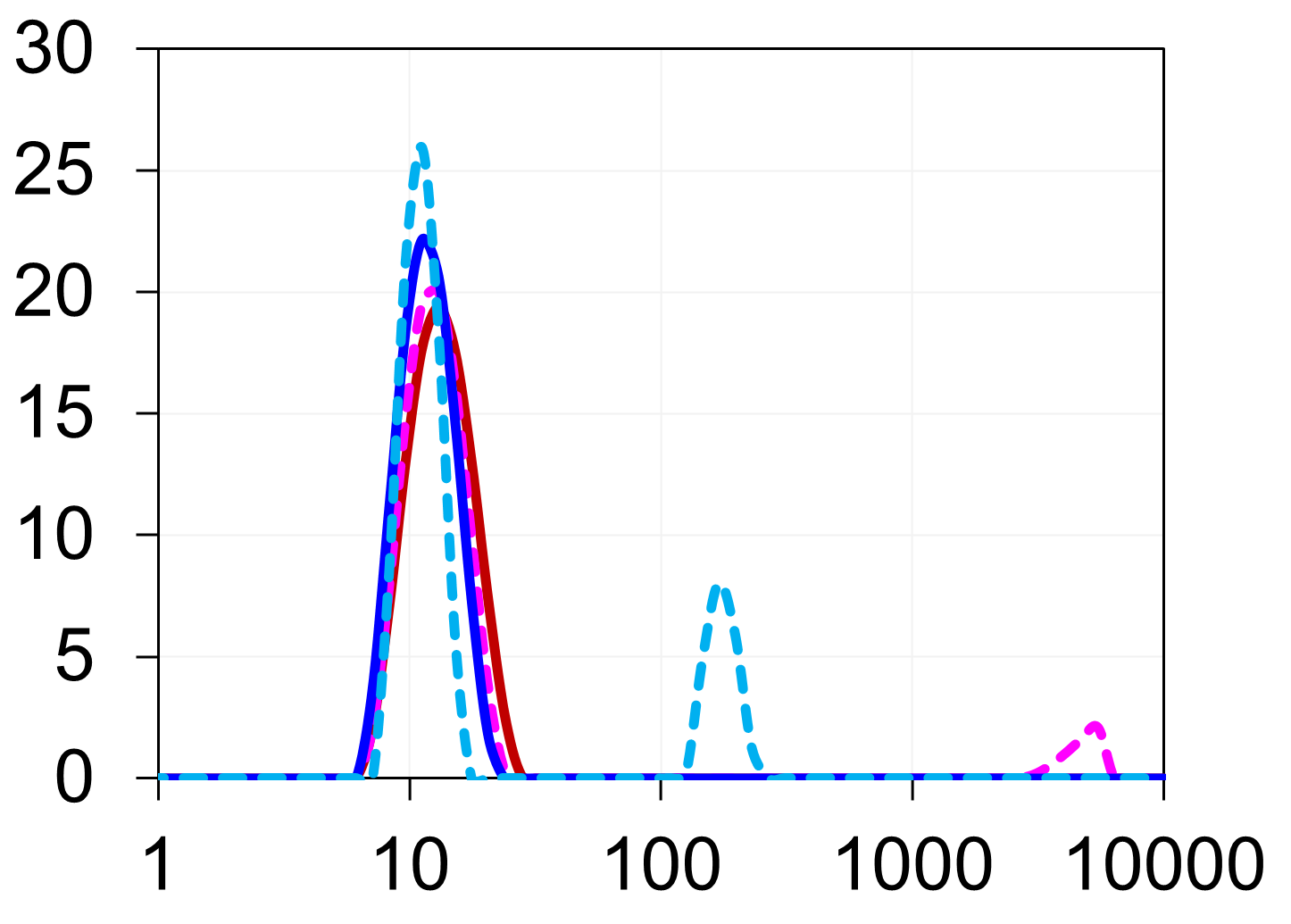
DLS
Intensity % vs. species size (nm)
CONCLUSION
A material-sparing screening procedure, which uses only ~5-10mL of protein solution, has been developed as a means of assessing spray drying feasibility.
Implementation of this flow chart can help determine whether a given biotherapeutic is a candidate for spray drying and if so, help determine the subsequent manufacturing conditions and establish an early baseline between performance and observed structural changes that could be helpful for guiding future specifications of product quality.
DISCLAIMER
All trademarks belong to Lonza or its affiliates or to their respective third party owners. The information contained herein is believed to be correct and corresponds to the latest state of scientific and technical knowledge. However, no warranty is made, either expressed or implied, regarding its accuracy or the results to be obtained from the use of such information and no warranty is expressed or implied.